Ejamaan also brought back to the fore, the controversy about old heros being paired with young heroines. Ejamaan highlighted the issue since Rajni's heroine was Meena, who had acted as a child performer with him in movies like Anbulla Rajnikanth and Engeyo Kaetta Kural. But the controversy died a natural death and Meena went on to act with Rajnikanth in Veera and Muthu, both of which were hugely successful.
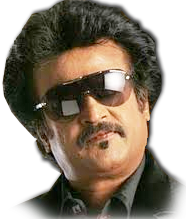
Vaanavaraayan(Rajnikanth) is the village leader, adored and respected by the people. Based in his advice, they abstain from voting in the elections and instead, pool the money given by the candidates to get themselves some basic amenities. Vallavaraayan(Napoleon) is his arch enemy. Their enmity is further sharpened when Vaanavaraayan wins the hand of Vaitheeswari (Meena), whom Vallavaraayan had also wished to wed. So Vallavaraayan convinces the priest at the temple to mix a potion in the holy water that Vaitheeswari drinks. This destroys her ability to become a mother. When Vaanavaraayan learns of this, he hides this news from Vaitheeswari so that she is not hurt. But surprisingly, Vaitheeswari soon becomes pregnant.
The movie incorporates more sentiments than usual Rajnikanth movies. Both Rajni and Meena compete in showering love and affection on each other. These sections are designed to touch the hearts of the womenfolk. Every woman in the audience will wish for a husband like Vaanavaraayan, especially when he says that "a husband who allows tears in his wife's eyes is no man". The sequence where he lists out the things he would get for Meena(before dashing off to catch her a butterfly) is another such sequence. But the overemphasis on a woman becoming a mother and the continuous talk about begetting a child tends to get on one's nerves.
Rajnikanth's characters are always a mix of both action and comedy. But that does not fit into the character here and results in poor characterization. One hand he commands the respect of the villagers and on the other he steals food from the lunchboxes of the villagers. But his encounters with Napoleon offer solace to the Rajni fan with enough bravura challenges and double entendre dialogs which hint at his personal appeal and political stance. The bullock cart race sequence (particularly the list of comparisons between Rajni and Napoleon before the actual race) is the pick of the lot. The scene where the government officials come and ask him for accounts of his land is also funny.
 Super Star Rajinikanth